Divorce is a dreadful event that one may ever encounter after losing a husband. It is almost impossible to find suitable words of sympathy to bring comfort. But in these black days, your words are valuable to me than you could imagine.
And it does matter whether you are calling on a close friend, relative, colleague or neighbor halfway across America and take the time to write a heart message. A sympathy card indicates that you care to make time and say your goodbyes.Heartfelt Messages For The Loss Of A Husband This is just a gesture that will draw one towards healing.
Sending a card to show sympathy is the sign of kindness which never goes unnoticed. At Thankbox, we have learned the value of sending a meaningful condolence message when going through hard times. Whatever may be their simplicity, your words are comforting.
This is the guide that will make you author the most ideal sympathy card in the event of a husband loss. We will provide tips and examples and advise on how to find the right words. You are in the right place in case you want ideas on sympathy messages.If you bible quotes lover then visit this site.
Why Send A Sympathy Card For The Loss Of A Husband?
Such a great loss may not seem like a big thing in the light of your condolence message. But you have a meaning in what you say. The act of condolences makes the bereaved partner feel acknowledged and has some support during the mourning process.
We will discuss the reasons as to why sending a sympathy card has a number of significant functions to play in the face of bereavement amongst Americans.
Acknowledging The Profound Loss
The matrimonial relationship establishes a special relationship that can hardly be found in life. The death of a husband who loves the wife leaves a gap in the life of the wife that permeates her existence. Spousal loss influences everyday activities, future and personal identity.
Studies indicate that, one quarter of adults who are bereaved would like their friends to have discussed the deceased more frequently. A sympathy card is used as an emotional anchor in this storm. It is much, much more than you can understand to admit that the devoted partner is gone.
Marriage is a serious relationship in American culture. The death of a spouse is losing a best friend, confidant and life partner simultaneously. Your card justifies this deep sorrow.
Providing Tangible Comfort
A sympathy card offers something physical to hold onto during the grieving process. It serves as a keepsake that can be revisited during difficult moments. Many widows keep these cards and reread them when they need emotional support.
Unlike a quick text message, a written card shows you invested time and thought. This personal touch makes all the difference. The card becomes a tangible reminder of the love and support surrounding the bereaved person.
Traditional cards and digital sympathy cards both serve this purpose. Many Americans now display sympathy cards during memorial services. Others keep them in special boxes to look back on years later. These expressions of sorrow become treasured reminders that they weren’t alone.
Showing You Care From Near Or Far
America’s vast geography means friends and family often live states apart. A sympathy card bridges this distance beautifully. It shows you’re thinking of you even when you can’t be there in person.
In our digital world, taking time to write a heartfelt condolence message stands out. It demonstrates genuine care and respect for the widow and her cherished husband’s memory. This effort means everything during such a painful time.
Writing from the heart creates connection even across miles. Your card becomes a physical representation of your support, arriving at exactly the moment it’s needed most.If you want to visit Inspirational Quotes for Cancer Survivors, Fighters, and Caregivers then click here.
Essential Tips For Writing Sympathy Card Messages For The Loss Of A Husband
Writing a sympathy card can feel overwhelming. You want to offer comfort and support without saying the wrong thing. These writing tips will help you create an authentic message of comfort that truly helps.
Keep Your Message Simple And Sincere
What to write in a sympathy card doesn’t need to be complicated. Avoid overly formal language or complex sentences. Stick to straightforward, sincere sympathy that comes from your heart.
Simple condolence messages often work best. Don’t worry about being poetic or profound. Focus on being genuine. The widow will appreciate sincere words more than flowery language.
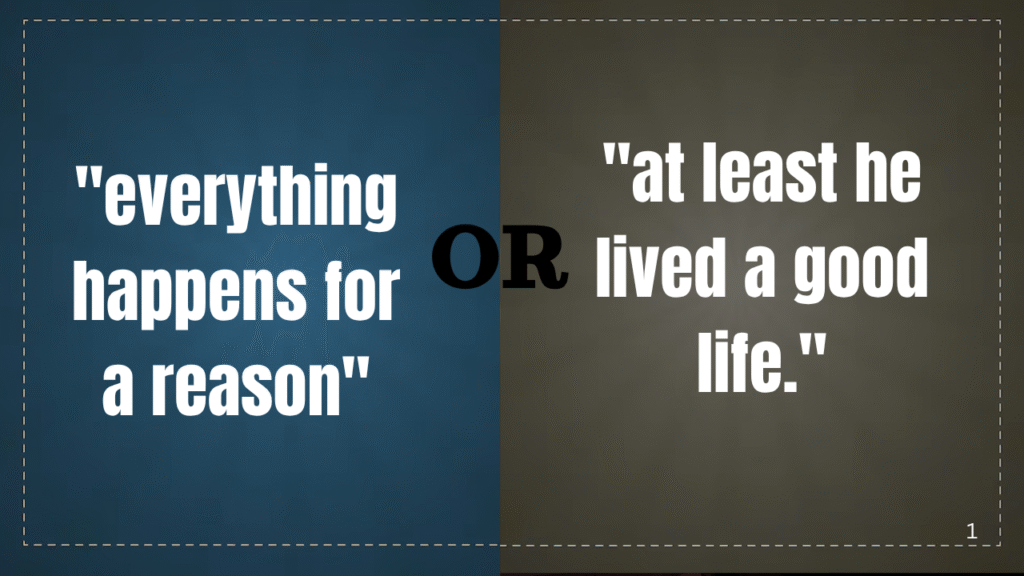
Some phrases to avoid include anything that minimizes the loss. Skip sayings like “everything happens for a reason” or “at least he lived a good life.” These statements, while well-meaning, can feel dismissive during bereavement.
Write In The First Person
Writing from the heart means using “I” instead of distant phrases. “I will miss him” carries more weight than “he will be missed.” This approach shows you had a real relationship with the deceased or the grieving wife.
First-person language makes your condolence note feel more genuine and compassionate. It transforms your message from generic to personal. This small change makes a big impact on how your words are received.
Personalize Your Condolence Message
Always include the cherished husband’s name in your message. Remembering the deceased by name honors their memory and shows respect. It also makes your personalised sympathy message feel less distant and more thoughtful.
Mention your relationship to the widow or her husband. Were you coworkers? Neighbors? Longtime friends? This context helps frame your words. It shows why this loss matters to you personally.
Honouring a husband’s memory with specific details makes your message stand out. Generic phrases like “sorry for your loss” lack the warmth of a truly personal note.If you want to Powerful Congratulations on Your Promotion then click this link.
Share Meaningful Memories When Appropriate
If you knew the husband well, sharing a brief memory can bring comfort in loss. These stories help keep his legacy alive. They remind the widow that her husband touched many lives.
Keep your stories positive and brief. Focus on moments that highlight his character, humor, or kindness. These tribute to a husband moments provide solace during dark times.
However, if you didn’t know the husband personally, it’s okay to keep your message more general. Focus instead on supporting the widow through her grief and healing journey.
Offer Specific Support
Move beyond “let me know if you need anything.” This phrase, while kind, puts pressure on the grieving person to ask for help. Instead, offer specific ways you can provide emotional support during loss.
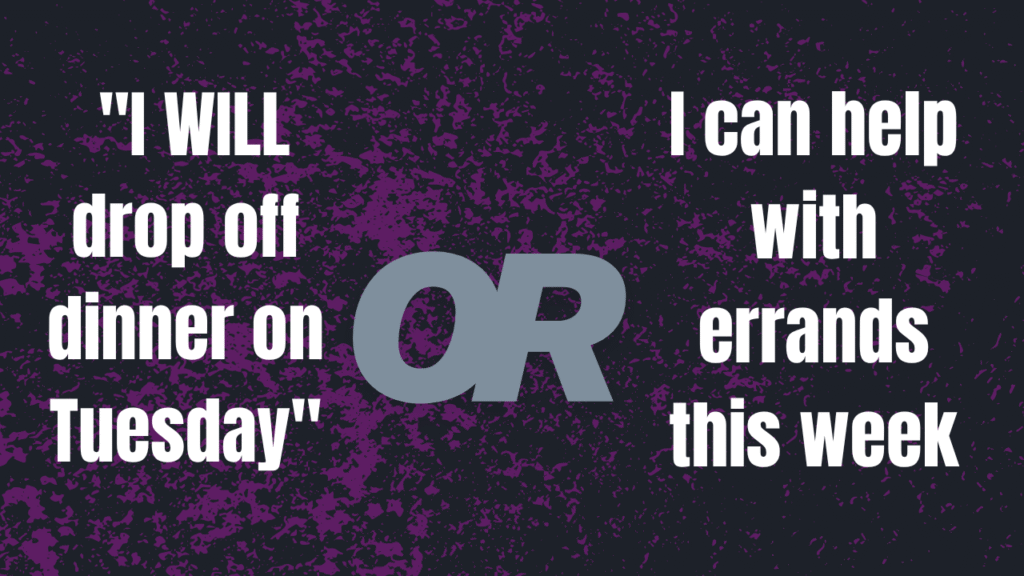
Consider mentioning concrete actions: “I’ll drop off dinner on Tuesday” or “I can help with errands this week.” Americans often appreciate these direct offers during the mourning period.
Include your contact information if appropriate. Make it easy for the widow to reach out when she’s ready. This shows you’re available for support during difficult times.
35+ Heartfelt Sympathy Card Messages For The Loss Of A Husband
These sympathy card examples are organized by style and length. Feel free to adapt them to match your relationship and feelings. Use them as sympathy message templates or inspiration for your own words.
Short Sympathy Messages For The Loss Of A Husband
These brief short sympathy messages work well for acquaintances, coworkers, or when you’re struggling to find words. They express sincere sympathy without overwhelming the recipient.
• Please accept my deepest condolences for the loss of your husband. You’re in my thoughts.
• Sending you love and emotional support as you navigate this heartbreaking time.
• I’m here for you, offering comfort during this mourning period.
• The memories of your loving husband will live on forever in our hearts.
• Your husband’s legacy will always remain with those who knew him.
• My heartfelt condolences to you during this difficult time of bereavement.
• It was an honor to know your husband. May he rest in peace.
• May you find solace and peace in the coming days.
• Let the love of your support network lift you during this time of need.
• Thinking of you and sending strength as you cope with this tremendous loss.
Heartfelt And Poignant Sympathy Messages
These poignant messages offer more depth while remaining respectful and comforting. They’re appropriate for friends and family members during coping with loss.
• Expressing sympathy for the loss of your devoted partner, (Name). He lived a life full of love and partnership and will be greatly missed.
• Sending my sincere sympathy and thoughts during this difficult time following your husband’s passing.
• Conveying my heartfelt condolences for the loss of your wonderful husband. This is an unfair loss, and my thoughts are with you.
• No words can truly express my sorrow for your loss. I hope you find comfort and support in the months ahead.
• On behalf of our family, I extend our deepest condolences for the loss of your husband. We cherish the memories he brought into our lives.
• Your husband was a remarkable man and cherished friend. May his soul rest in peace eternally.
• The passing of your cherished husband brings great sadness. You are constantly in my thoughts and prayers.
• Paying respects to a man who touched so many lives. May his memory bring you comfort in loss.
• Your husband’s kindness and compassion will never be forgotten. Sending you strength during this grieving process.
Personal Sympathy Card Messages For Close Friends And Family
These personalised sympathy messages include personal details and show deeper connection. They’re perfect for close relationships during dealing with grief.
• Please accept my sincere sympathy for your loss. I am thinking of you and sending love during this difficult time. (Name) was a wonderful husband and amazing father. His legacy will always be remembered.
• (Name) was a special person who will be deeply missed by many, including myself. Please know you are not alone in your grief. The love of your community is here to lift you up.
• I am always here for you in your hour of need. I pray that (Name)’s soul may rest in peace. May God’s grace surround you and your family during this sad time.
• I would like to offer my heartfelt condolences on the loss of your wonderful husband, who was not only a loving husband but also a true friend to me.
• While it is with sadness that we learned of (Name)’s passing, he inspired us all to live life to the fullest. Please accept our sincere sympathy and know we hold fond memories.
• It was a privilege to have known (Name). He was a special person to me and I will miss him dearly. Your husband was a wonderful man whose legacy lives on.
• Remembering your husband today and always. (Name) brought so much joy to everyone around him. You have my unwavering support.
• Your devoted partner made such an impact on my life. I’m here for whatever you need during this healing after loss.
Deeply Heartfelt Messages Celebrating His Life
These messages focus on celebrating the husband’s life and impact. They offer tribute to a husband while providing emotional support.
• Rest in peace, (Name). Your husband left a lasting impact on those fortunate enough to know him. Let us celebrate the incredible life he lived rather than mourn his loss.
• (Name) loved you deeply and it always shone through when he spoke of you. Whenever he mentioned your name, joy lit up his face. He will be greatly missed.
• Your union was one to admire. You two were the perfect fit and I’m sorry for the loss of your best friend. You have my complete support during this time.
• The loss of your husband has left a void in all our hearts. I will always remember his laugh and how much he brightened our days. Let me know how I can help.
• It’s difficult to put into words how much your husband will be missed. From his kind heart to his immense generosity, (Name) was truly one of a kind. I’m here for you.
• Your husband was a wonderful friend and neighbor who will be greatly missed by the whole community. We’re here for you throughout your grieving process.
• (Name) is greatly valued in the workplace and will live on in our memories. He was always the first to make us laugh and offer a helping hand. (Name) will be deeply missed.
• (Name) was a remarkable coworker who touched many lives. With heartfelt condolences, I offer my sympathy for the loss of your husband. May your unforgettable memories live on forever.
• Honouring a husband’s memory who gave so much to others. (Name)’s compassion and empathy made the world a better place.
• Your husband’s smile could light up any room. Remembering the deceased with love and celebrating the beautiful life he shared with you.
What NOT To Write In A Sympathy Card For The Loss Of A Husband

Understanding appropriate wording means knowing what phrases to avoid. Some well-meaning statements can actually cause pain during bereavement.
Phrases To Avoid In Sympathy Messages
Never say “I know how you feel.” Every loss is unique. Even if you’ve lost a spouse, your experience differs from hers. This phrase can feel dismissive of her specific pain.
Avoid “He’s in a better place” unless you know the widow shares your religious beliefs. This assumes faith-based views she might not hold. It can also suggest her husband is better off away from her.
Skip any sentence starting with “At least…” There is no silver lining to losing a spouse. Statements like “at least you had many good years” minimize the current devastation.
Don’t say “time heals all wounds.” While meant to comfort, this phrase suggests her pain has an expiration date. Grief and healing happen on individual timelines.
Avoid comparing losses or sharing your own grief stories extensively. Your condolence message should focus on her loss, not yours. Keep the spotlight on the widow and her cherished husband.
Respecting American Grieving Customs
America hosts diverse cultures and religions. Be mindful of different faith and spirituality perspectives. Not everyone believes in heaven or an afterlife.
Consider the widow’s background before including religious references. If you’re unsure, stick to secular words of condolence. You can offer comfort and support without religious language.
Avoid making assumptions about the relationship. Not all marriages are perfect, but all losses deserve respect. Focus on supporting the widow through her specific experience.
Skip humor or lighthearted comments unless you know the widow very well. What seems comforting to you might feel jarring during acute grief. Err on the side of serious, thoughtful support.
When And How To Send Your Sympathy Card
Sympathy etiquette includes knowing when and how to send your message. Timing and method both matter when offering condolences.
Timing Your Condolence Message
American customs suggest sending sympathy cards within two weeks of learning about the death. This timing shows prompt support during the most difficult early days.
However, it’s never too late to send sympathy. If you learn about the loss months later, still send a card. Late condolences are better than no condolences. The widow will appreciate knowing people still remember.
Consider sending additional cards on difficult dates. The first holiday season, birthday, and anniversary without the loving husband are particularly painful. A brief note on these days shows continued emotional support.
Traditional Cards vs Digital Sympathy Messages
Conventional hand written cards bear a special purpose. They make you see that you made the time to create, compose, and post your message. This personal form of expressing condolence is still popular with many Americans.
Nevertheless, online sympathy cards and online card condolence is getting more accepted. Sympathy cards were effective online in case of a distance or time factor. They come at once, bringing relief and assistance.
Thankbox is a digital memorial board that provides an option to have more than one person post on the board. These online memorial boards form a group of tribute that the widow can pay a visit to any time. It only takes one minute to make a thankbox and one can have group sympathy messages.
Both methods should be considered. Send a physical card with the official note of condolence and donate to an online memorial board where people may leave their memories and support.
Following Up After Your Sympathy Card
Extending sympathy shouldn’t end with the card. The weeks and months after the funeral can be the loneliest time. Most people move on while the widow still struggles daily.
Check in regularly after sending your card. A simple text saying “thinking of you” means the world. Offer specific help like bringing groceries or helping with yard work.
Be present for the “firsts” without the husband. The first Thanksgiving, Christmas, or birthday without him will be devastating. Reach out on these days to show you remember and care.
Supporting Someone Who Lost A Husband Beyond The Sympathy Card
Offering comfort extends beyond words on paper. Real support during difficult times requires action and presence throughout the healing after loss journey.
Practical Ways To Help
Meal trains are an American tradition during bereavement. Organize friends to bring dinners for several weeks. This removes one burden from the widow’s overwhelmed mind.
Offer help with funeral arrangements if appropriate. Planning a memorial while grieving is incredibly difficult. Practical support with calls, paperwork, or logistics makes a real difference.
Help with household tasks like lawn care, snow shoveling, or home repairs. Many loving husbands handled these tasks. The widow now faces doing them alone or finding help.
Be aware of financial challenges. Spousal loss often brings financial stress. While you shouldn’t offer money directly, you can help find resources or connect her with financial advisors.
Emotional Support Throughout The Grieving Process
Be available to listen without judgment. Sometimes the widow needs to talk about her devoted partner for hours. Let her share memories, fears, and struggles without trying to fix anything.
Understand that grief comes in waves. Some days she’ll seem okay, others she’ll be devastated. This is normal during coping with loss. Don’t expect linear progress.
Help connect her with grief support groups in your area. Many American communities offer widow support groups. These support networks connect her with others who truly understand spousal loss.
Encourage professional counseling if grief becomes overwhelming. Therapists specializing in bereavement can provide tools for dealing with grief that friends and family cannot.
Conclusion: The Power Of Heartfelt Sympathy Messages
Loss of husband sympathy cards have been essential in offering valuable support and comfort to the husband in the darkest of times in life. Your hearted message makes the widow remember that she is not the only one who is grieving.
It is worth remembering that awkward, honest words are more beatable than silence. No one should be afraid to say a wrong thing because it will not be said at all. The widow will have her way with your phrasing whether it is perfect or not.
The message of condolence consoles through the grieving stage and serves as a reminder of the loss in years to come. These literary lines are a source of power in times of sorrow.
Be real, caring and considerate instead of being perfect. In-person condolence with your heart will always find a response with someone who has lost his or her loved husband.